

When Is a Dog Considered a Senior?

We can’t escape time. As the years pass, we inevitably grow older, and the same is true for our dogs. They bring joy and companionship to our lives, but they can’t stay young and energetic forever. As they age, their needs change, requiring special care and attention. But when exactly is a dog considered a senior? The answer depends on several factors, including breed, size, and overall health.
How Breed and Size Affect Aging
One of the biggest factors influencing a dog's aging process is its breed and size. Generally, smaller dog breeds tend to live longer than larger breeds, which means they reach their senior years at different stages.
- Small Breeds (Under 20 lbs): Dogs like Dachshunds, Toy Poodles, and Chihuahuas often live between 12 and 16 years or more. They are typically considered seniors around 10 to 12 years old.
- Medium Breeds (20-50 lbs): Breeds such as Cocker Spaniels, Border Collies, and Beagles usually have lifespans of 10 to 14 years. They are considered seniors between 7 and 10 years old.
- Large Breeds (50-100 lbs): Labrador Retrievers, Golden Retrievers, and German Shepherds typically live between 8 and 12 years. They reach senior status around 6 to 8 years old.
- Giant Breeds (Over 100 lbs): Dogs like Great Danes, Saint Bernards, and Mastiffs have shorter lifespans, averaging 6 to 10 years. They are usually considered seniors by the time they are 5 to 6 years old.
While these general guidelines help estimate when a dog enters its senior years, it’s important to remember that genetics, lifestyle, and overall health also play a significant role in the aging process.
Signs That Your Dog Is Aging
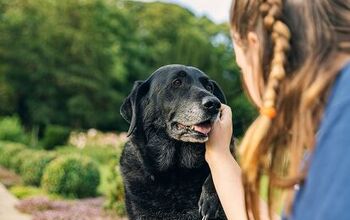
Although age is a useful indicator, physical and behavioral changes can also signal that a dog is entering its golden years. For example, reduced energy levels are the usual sign, as older dogs might not be playful as they once were. Also, just like humans, dogs can develop gray hair, especially around the muzzle. With age, arthritis and joint problems become more common as well, just like cataracts, vision impairment, and hearing loss. As your pooch ages, you can also notice changes in their appetite or weight. As their metabolism slows down, they could lose or gain weight. Ultimately, some senior dogs can suffer from cognitive changes, experiencing confusion, disorientation, or changes in sleep patterns due to cognitive dysfunction syndrome (similar to dementia in humans).
Caring for a Senior Dog
As dogs enter their senior years, they require extra care to ensure they remain healthy and comfortable.

- Regular Vet Check-Ups: Many veterinarians recommend check-ups every six months for senior dogs to catch potential health issues early.
- Proper Nutrition: Senior dog food is specially formulated to support aging joints and metabolism. Look for foods with added glucosamine and chondroitin for joint health.
- Comfortable Living Spaces: Orthopedic beds, ramps, and heated pads can ease joint pain and improve mobility.
- Mental Stimulation: Keeping a senior dog’s mind active with puzzle toys, scent games, and gentle training exercises can help prevent cognitive decline.
- Gentle Exercise: Regular walks and light play help maintain muscle tone and overall well-being, but activities should be adjusted based on the dog’s physical condition.

Final Thoughts
Aging is a natural part of life, and while our dogs may slow down, their love and loyalty remain unchanged. By understanding their needs and adjusting our care, we can ensure their golden years are filled with comfort, happiness, and the same devotion they have always shown us.

A proud mama to seven dogs and ten cats, Angela spends her days writing for her fellow pet parents and pampering her furballs, all of whom are rescues. When she's not gushing over her adorable cats or playing with her dogs, she can be found curled up with a good fantasy book.
More by Angela Vuckovic