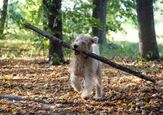
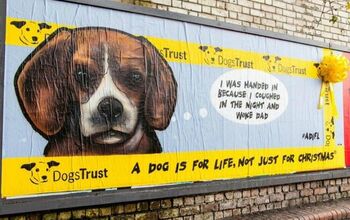
Finding the perfect place to take your dog for a little “out of house adventure” is about more than just checking for a sign at the door announcing pets are allowed. A successful adventure starts with careful consideration for your dog’s comfort and confidence rather than just our own convenience. While the world is becoming more pet-friendly by the day, not every dog-friendly space is a good fit for every dog’s unique temperament, training level, or social battery.Even just looking at our two dogs, Lucifer and Willow, their requirements and preferences are vastly different in many ways.The goal is to find environments where your dog can genuinely enjoy the experience and thrive alongside you, rather than simply surviving the stress of the crowd. Whether you are headed to a quiet bookstore for a cozy visit on a cold winter day or a busy weekend market under the summer sun, choosing the right destination is the first step in planning a fun day out together.Disclosure: PetGuide may receive a small affiliate commission from purchases made via links in this article, but at no cost to you.Is Your Dog Ready for Public Spaces? Like people, every dog has a unique social battery and tolerance for public spaces. Understanding where your dog falls on this spectrum will help you choose a location that won’t result in burnout or stress. Most dogs can be sorted into one of four general categories: Social Butterflies: These dogs genuinely enjoy meeting new people and other dogs. They are great candidates for busier environments, such as outdoor markets. Neutral Observers: These dogs are indifferent to others. They don’t need to say hello, but they can remain calm in a crowd. This is the gold standard for public behavior. The Selective or Shy: These dogs may feel overwhelmed in tight quarters. For them, “dog-friendly” should mean wide-open spaces rather than crowded restaurant patios. The Sensitive or Reactive: If your dog reacts to seeing other dogs or strangers with fear or barking, the best way to plan a positive day out is to skip the public crowds for now. Instead, look for private dog parks or remote hiking trails where they can enjoy themselves without worrying about the added pressure of others. It’s also important to note that if your dog isn’t ready for the outing you had in mind, it isn’t necessarily always going to be that way. With training and counterconditioning, many dogs can move on this spectrum. For example, our girl Willow is a Neutral Observer who sometimes crosses into Social Butterfly territory, which we try to keep in check to respect everyone’s space. Meanwhile, my boy Lucifer came to us as a Reactive dog who I would now say fits better into the Selective or Shy category. But to make these changes, you must first recognize and respect their current social comfort level. Additionally, take a moment to do a quick health audit. This includes up-to-date vaccinations and flea/tick prevention, especially if your adventure will take you out on local nature trails or grassy parks. Ensure their identification tags are legible, accurate, and secure. In an emergency, this could be the key to bringing your dog home safely. Helpful Training Cues You don’t need a professional agility dog or therapy pup to go to the hardware store, but there are a few foundational cues that will make your experience more enjoyable and safer for everyone involved. The first, and most obvious, is your dog’s ability to walk politely on a leash. Public spaces often have narrow walkways or paths you will need to navigate, like a store aisle. A dog who lunges or pulls can create an unsafe situation for themselves and others. Next, I would highly recommend the “settle” or “place” cue. This asks your dog to relax on a specific spot until they are given the release cue. This is particularly helpful if you are planning to spend time somewhere where you want to sit for a while, like a café or brewery. For our dogs, we introduced a designated portable mat that they recognize as their “place” wherever we go. Finally, consider teaching a solid “leave it” cue. This is essential for navigating dropped food on a patio, interesting-smelling merchandise in a park, or litter tossed aside at your local market. This may make the difference between a minor annoyance and a trip to the emergency vet. Pre-Adventure Checklist Before you grab the leash and head out the door, take a moment to carefully consider the location you plan to visit and your dog’s current needs. A successful visit starts long before you arrive. Just as you wouldn’t walk out the door without your wallet, car keys, and cellphone, your dog also has a checklist. When heading out with our pups, we always pack a small gear bag with the following: High-Value Treats: Use these to reward calm behavior or to redirect your dog’s attention if they become distracted. You will need to experiment with different options to find what your dog considers high value. For our dogs, the treat bag often contains Charlee Bear Grain Free Crunch (Lucifer’s favorite) and Benny Bully’s (Willow’s favorite). Collapsible Water Bowl: Hydration is key, especially if you are visiting outdoor patios in the sun. A Non-Retractable Leash: Fixed-length leashes (4-6 feet) provide much better control in public settings than retractable ones. Waste Bags: Always carry more than you think you need. After all, we want to ensure we will continue to be welcome in these spaces by respecting those we share them with. Portable Travel Mat: As I mentioned, we use this to reinforce the “place” command, giving them a designated spot to relax next to us while we enjoy a drink or a bite to eat.